
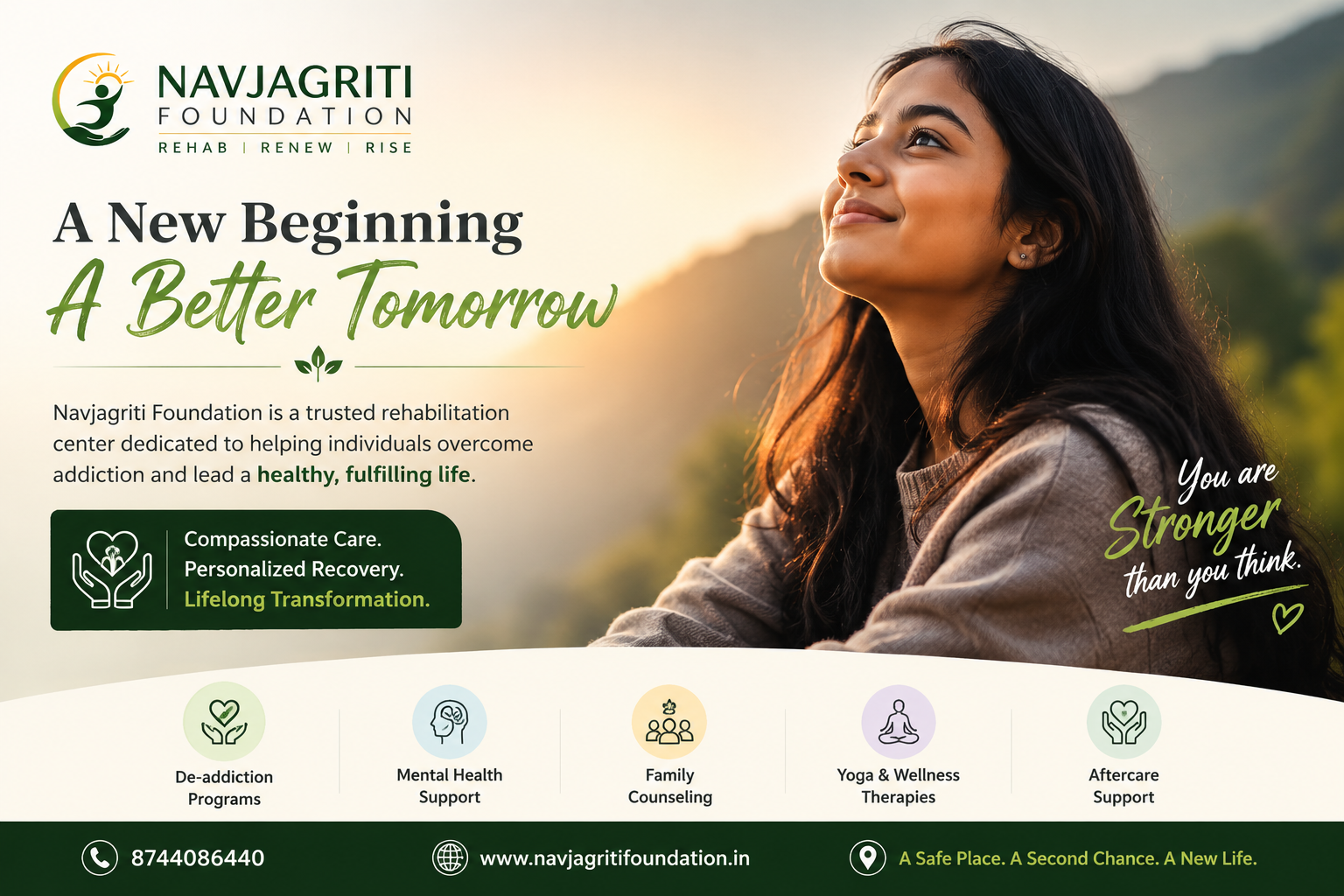
Many people feel nervous before entering rehab because they do not know what to expect. Individuals struggling with addiction often worry about treatment routines, counseling sessions, detox, and life inside a rehabilitation facility. Families may also feel uncertain about whether rehab will truly help their loved one recover.
Understanding what happens after joining a rehab centre can remove fear and help people make informed decisions. Recovery is a step-by-step process designed to help individuals overcome addiction and build healthier habits. A professional nasha mukti kendra provides structured care, emotional support, and guidance throughout every stage of recovery.
Initial Assessment and Admission Process
The first step after joining rehab is the admission process. Medical professionals and counselors evaluate the patient’s condition to understand their addiction history, physical health, and mental well-being.
They may ask questions about:
- Type of substance used
- Duration of addiction
- Previous treatment attempts
- Mental health concerns
- Family history of addiction
This assessment helps create a personalized addiction treatment program that matches the individual’s recovery needs.
A trusted no 1 nasha mukti kendra uses this stage to understand the patient’s challenges and plan effective treatment.
Medical Detox Begins
For many patients, detox is the next stage after admission.
Detox helps remove harmful substances from the body. This process can cause withdrawal symptoms depending on the type of addiction.
Common withdrawal symptoms may include anxiety, nausea, sweating, headaches, mood swings, and cravings.
Medical supervision during detox helps patients stay safe and comfortable.
This stage is especially important for people dealing with severe alcohol addiction or drug dependency.
Individual Counseling Sessions
After detox, patients often begin one-on-one counseling sessions.
Counselors help individuals understand the root causes of addiction. These causes may include trauma, stress, anxiety, depression, relationship issues, or unhealthy coping habits.
Through counseling, patients begin developing healthier emotional responses.
This part of substance abuse recovery helps people build self-awareness and confidence.
Group Therapy and Peer Support
Many rehab centres include group therapy sessions where patients share experiences and learn from others facing similar struggles.
These sessions reduce feelings of isolation and help people understand they are not alone.
Peer support often creates motivation and accountability during recovery.
Group therapy also teaches communication and relationship-building skills.
Daily Routine and Healthy Lifestyle Habits
A structured daily routine is an important part of rehab treatment.
Patients may participate in activities such as exercise, meditation, healthy meals, educational sessions, therapy appointments, and recreational activities.
These routines help individuals replace harmful habits with healthier ones.
A professional nasha mukti kendra focuses on creating discipline and stability during recovery.
Mental Health Treatment
Many individuals entering rehab also struggle with mental health challenges like anxiety, depression, or trauma.
Rehab centres often provide dual diagnosis treatment to address both addiction and mental health issues.
Treating emotional problems improves long-term recovery outcomes.
Ignoring mental health concerns can increase the risk of relapse.
Family Counseling Sessions
Addiction often affects the entire family.
Many rehab centres offer family counseling sessions to repair damaged relationships and improve communication.
Families learn how to support recovery without enabling destructive behaviors.
This creates a stronger support system after treatment ends.
Skill Building and Relapse Prevention
Recovery requires preparation for life after rehab.
Patients learn how to identify triggers, manage cravings, and handle stressful situations without turning to substances.
They may also learn life skills such as stress management, goal setting, and problem-solving.
Relapse prevention is a key part of long-term recovery success.
A reliable nasha mukti kendra prepares individuals for challenges they may face after leaving treatment.
Aftercare Planning
Before discharge, rehab staff create an aftercare plan for continued recovery.
This may include follow-up counseling, support groups, outpatient treatment, or sober living arrangements.
Aftercare support helps individuals stay focused on recovery goals.
Recovery does not end when someone leaves rehab.
Life After Rehab
Returning to daily life can feel challenging at first. However, many people rebuild careers, relationships, and personal confidence after completing treatment.
Long-term recovery requires commitment, healthy choices, and ongoing support.
A trusted nasha mukti kendra helps individuals build a strong foundation for a better future.
Final Thoughts
Joining rehab may feel overwhelming at first, but understanding the process can reduce fear. From assessment and detox to therapy and aftercare planning, each stage supports long-term healing.
Recovery takes time, but professional treatment makes the journey safer and more effective. With the right support system, individuals can overcome addiction and create healthier lives.
FAQs
1. What happens on the first day in rehab?
Patients usually complete assessments, medical evaluations, and treatment planning during admission.
2. Is detox painful?
Withdrawal symptoms can be uncomfortable, but medical supervision helps manage them safely.
3. How long do people stay in rehab?
Treatment duration depends on addiction severity and individual recovery needs.
4. Do families participate in rehab programs?
Many centres offer family counseling sessions to improve support systems.
5. What happens after leaving rehab?
Patients often continue therapy, attend support groups, and follow aftercare plans to maintain sobriety.